PARIS HAS A NEW
RETAIL HOTSPOT
The rise of Rue de Richelieu
PARIS RETAIL
RUE DE RICHELIEU
PARIS RETAIL
RUE DE RICHELIEU
PARIS RETAIL
RUE DE RICHELIEU
PARIS RETAIL
RUE DE RICHELIEU
PARIS RETAIL
RUE DE RICHELIEU
Once a historic thoroughfare linking the Louvre and Opéra, Rue de Richelieu has quietly become one of Paris’ most compelling retail destinations. Savills Antoine Vandamme explores what’s driving its transformation and what this says about the future of flagship retail districts.
Vacancy across Paris’ prime high streets remains tight, intensifying competition for the best space. The streets that outperform are those that can draw people in, hold their attention and give them reason to return. Rue de Richelieu is doing exactly that.
The street’s transformation hasn’t been shaped by a single flagship or headline-grabbing opening, but by an alignment of factors that define successful retail in global gateway markets.
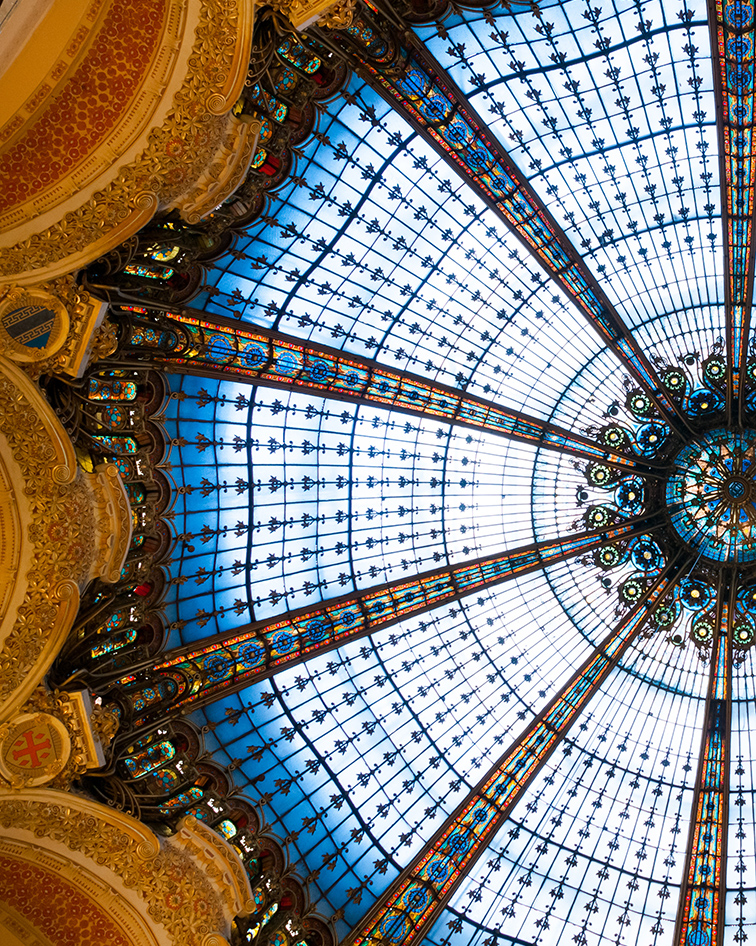
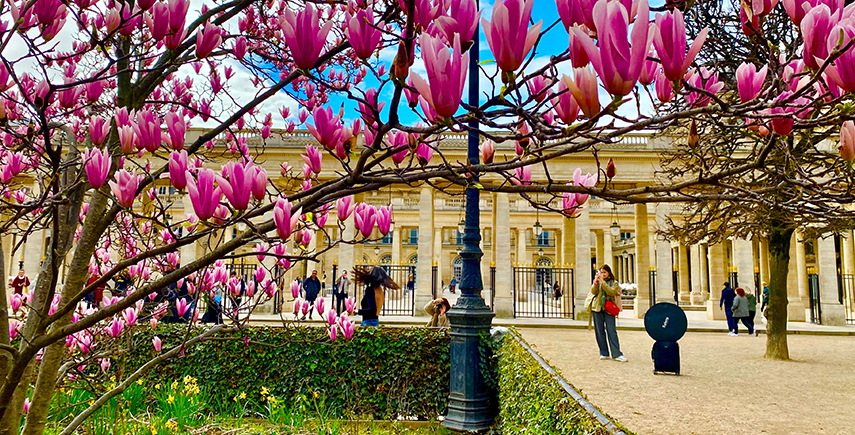
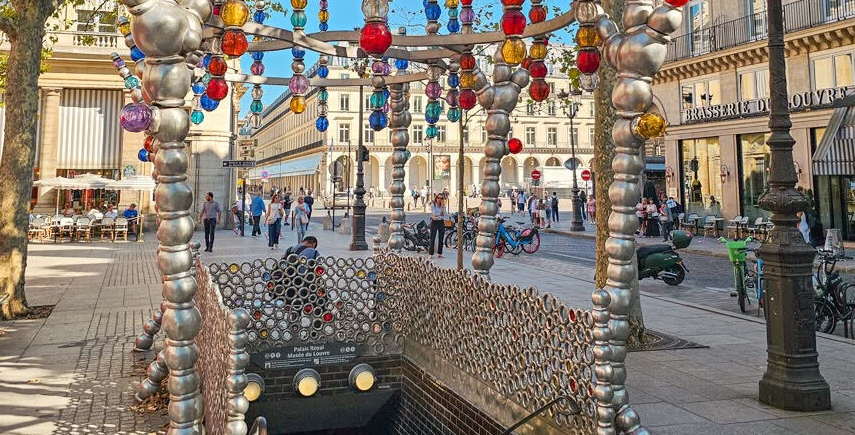
Rue de Richelieu also benefits from its proximity to Paris’ iconic Grands Magasins, including Printemps and Galeries Lafayette Haussmann. As one of the world’s most renowned department stores, Galeries Lafayette Haussmann remains a major draw for both domestic and international visitors. Together, these retail landmarks generate a consistent flow of shoppers, reinforcing the street’s position within one of the capital’s most vibrant retail districts.
International tourism continues to support the area, with France remaining one of Europe’s most popular visitor destinations. Yet tourism is only part of the story. Office workers, cultural audiences and residents all intersect here, creating a footfall profile that is diverse and strong from daytime to evening.
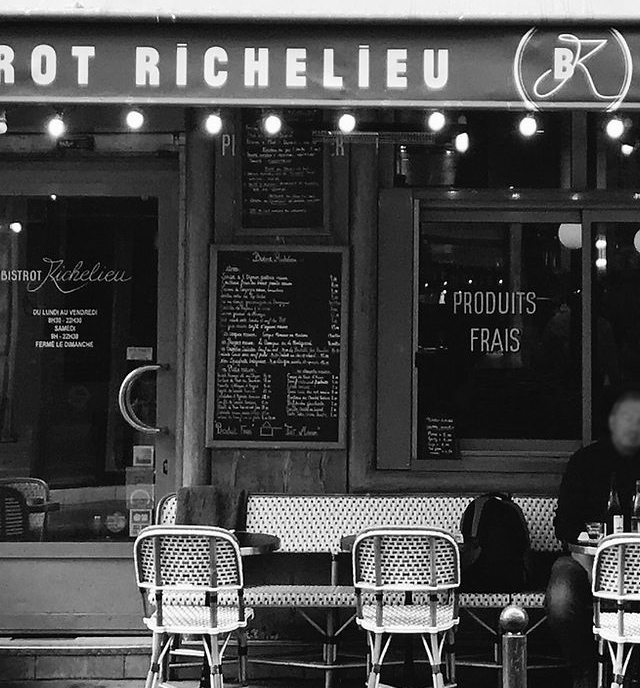
Historically, Rue de Richelieu’s narrow pavements limited browsing and the kind of engagement that underpins street-level retail. Recent public realm improvements by the City of Paris have altered that dynamic, widening pavements and changing how the street is experienced, encouraging visitors to slow down, browse shop windows and spend more time in the area.
In an era where physical retail competes with the convenience of online shopping, the quality of the physical environment has become increasingly important.
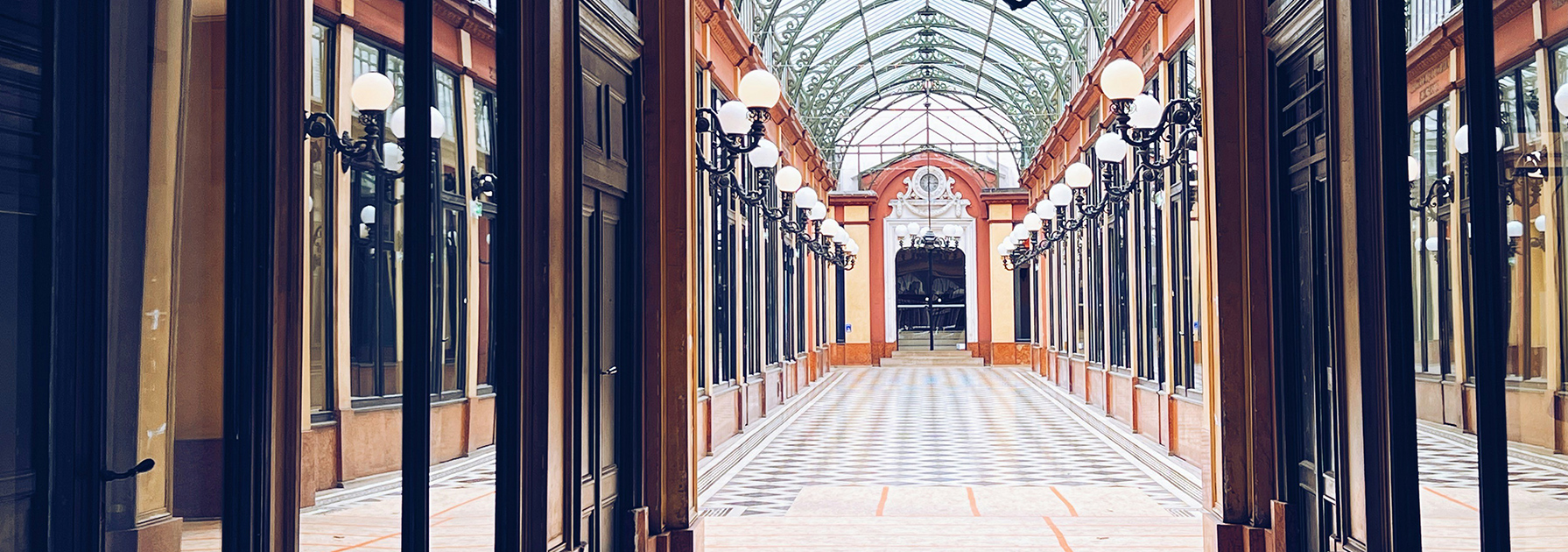
Rue de Richelieu’s ascent has been driven largely by a diverse tenant mix that reflects evolving consumer preferences.
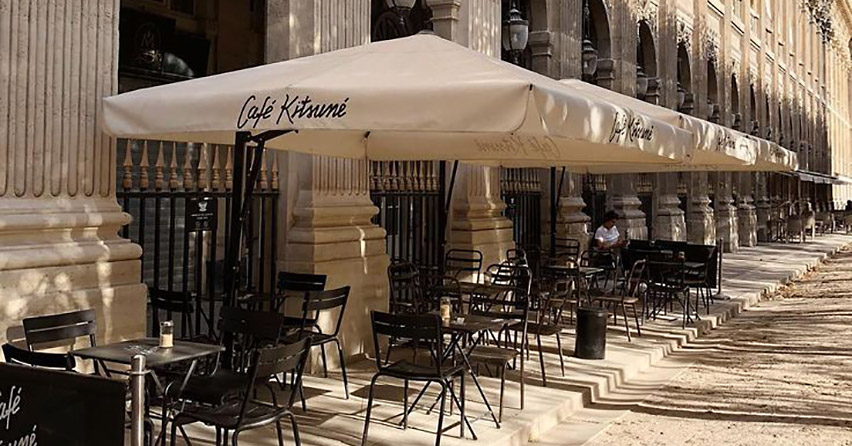
Rather than relying on a single retail category, the street has developed a layered ecosystem that brings together food, fashion and lifestyle.
Food and beverage concepts like Café Shin, Mimi Paris and Kodawari extend activity beyond traditional shopping hours, helping to establish the street as an all-day destination. Concept stores, including Merci’s second Paris location, add a sense of discovery and attract a design-conscious clientele, while brands like Maison Kitsuné, Maison Margiela and Officine Universelle Buly reinforce its reputation for originality and quality.
As rents and availability on Paris’ most established luxury streets become increasingly constrained, brands are looking closer at adjacent locations capable of delivering both visibility and authenticity.
The street’s appeal is also being recognised by a new generation of occupiers seeking an alternative to classic luxury corridors.
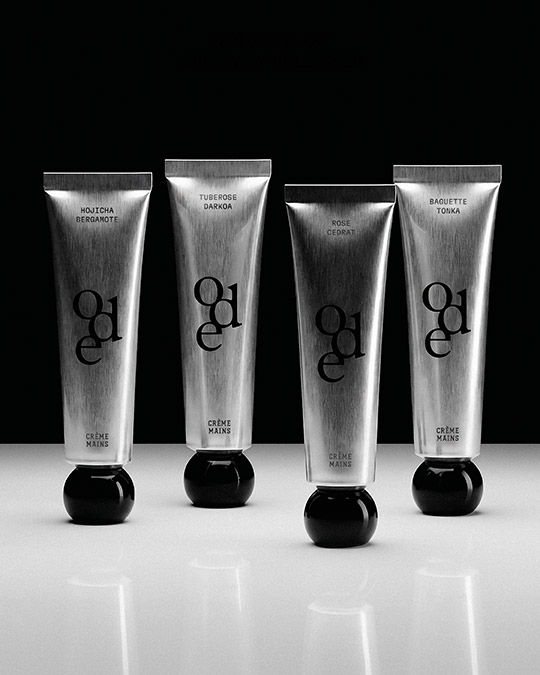
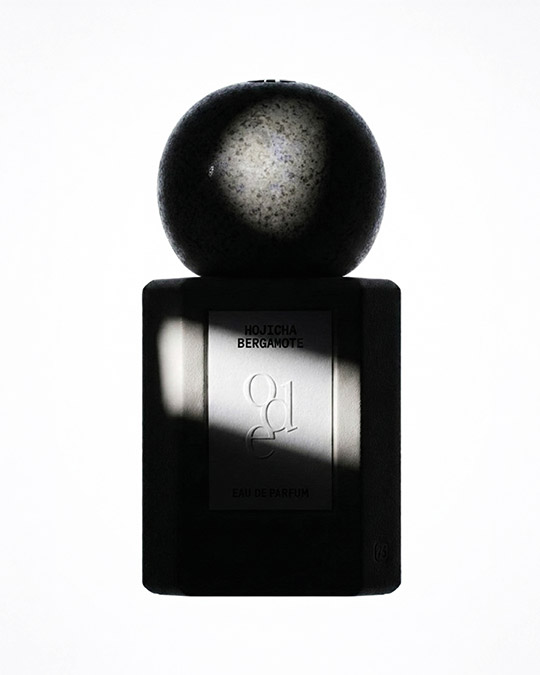
Ode Parfums, preparing to open a store on Rue de Richelieu in 2027, identified the opportunity to differentiate itself from the concentration of fragrance brands found in traditional luxury districts. The brand was attracted by the ability to secure a larger space capable of fully expressing its concept, while benefiting from the street’s constant flow of both Parisian residents and international visitors.
Its central position, combined with the vibrant mix of restaurants, cafés and bars, was viewed as a key advantage and reinforces Rue de Richelieu’s growing reputation as a destination where retail, hospitality and lifestyle intersect in a curated blend of uses that engages consumers.
In many ways, Ode Parfums reflects the type of brand increasingly drawn to Rue de Richelieu: design-led, experience-focused and looking beyond the city’s traditional luxury hierarchy.
Cultural relevance can be just as important as location, and Rue de Richelieu benefits from a setting that is already familiar to a global audience.
In Netflix’s Emily in Paris, the protagonist works at 6 Place de Valois, projecting this corner of Paris to a global audience.
Polène Paris has translated online desirability into global recognition, and its presence on Rue de Richelieu strengthens the street’s resonance with a digitally engaged audience.
Together, these cultural and digital touchpoints reinforce Rue de Richelieu’s visibility far beyond Paris, helping convert online awareness into physical footfall.
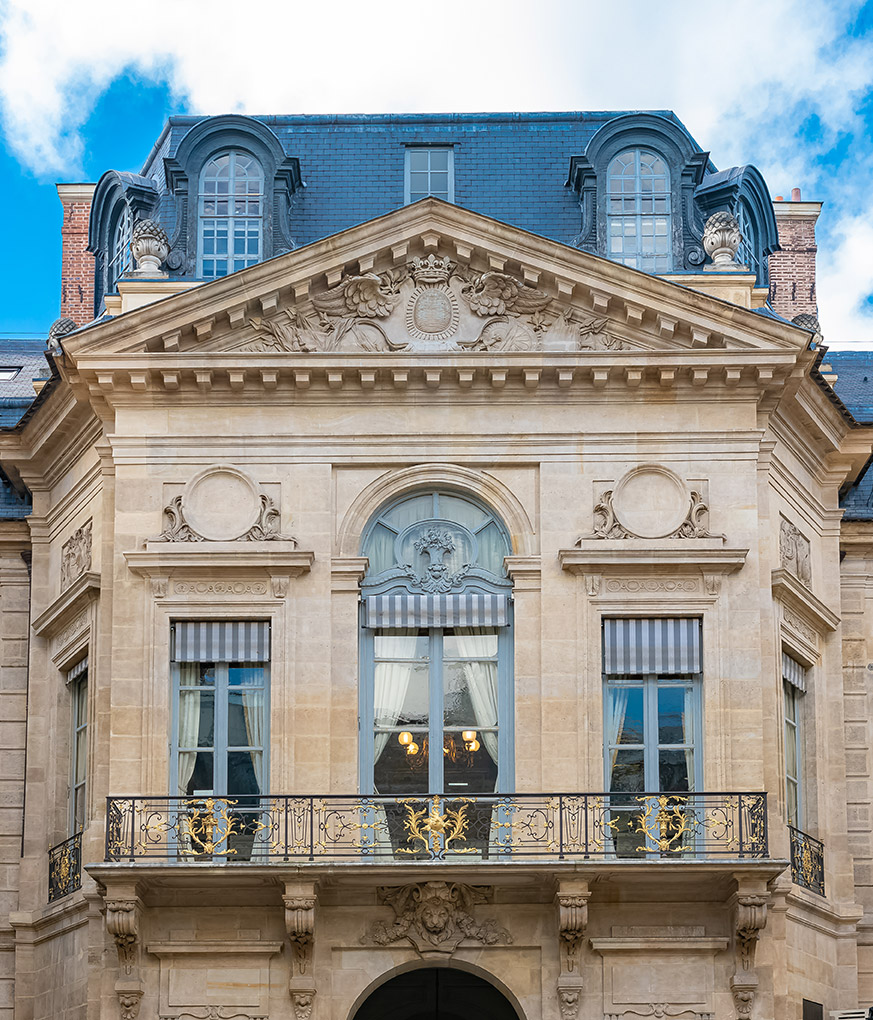
Rue de Richelieu’s transformation offers a broader lesson for urban retail.
Successful high streets are rarely created through a single flagship opening or isolated real estate investment. Instead, they emerge when accessibility, public realm, placemaking, tenant mix and cultural relevance align.
In many ways, Rue de Richelieu has become a textbook example of how historic urban streets can be repositioned for modern consumers.
What appears today as overnight success is, in reality, the result of years of evolution, where urban design, retail strategy and placemaking have combined to create one of Paris’ most compelling retail and leisure destinations.
+33 7 76 22 25 99
The US remains a pillar of the global luxury market. Here we explore why its scale, depth of domestic wealth and shifting geographies continue to underpin resilience and long-term relevance.