The US luxury market:
WHY SCALE
STILL MATTERS
US LUXURY
US LUXURY
US LUXURY
US LUXURY
US LUXURY
US LUXURY
US LUXURY
US LUXURY
US LUXURY
US LUXURY
In an era defined by geopolitical volatility and shifting consumer confidence, those fundamentals are asserting themselves once again.
Growth is steady rather than spectacular – a five year CAGR of 3.2% through to 2030 – but its importance lies in durability. Even as global demand oscillates, the US continues to act as luxury’s stabilising force.
It is this relative stability and market size that makes the US all the more attractive to expansive luxury brands against the current headwinds facing the global luxury market.
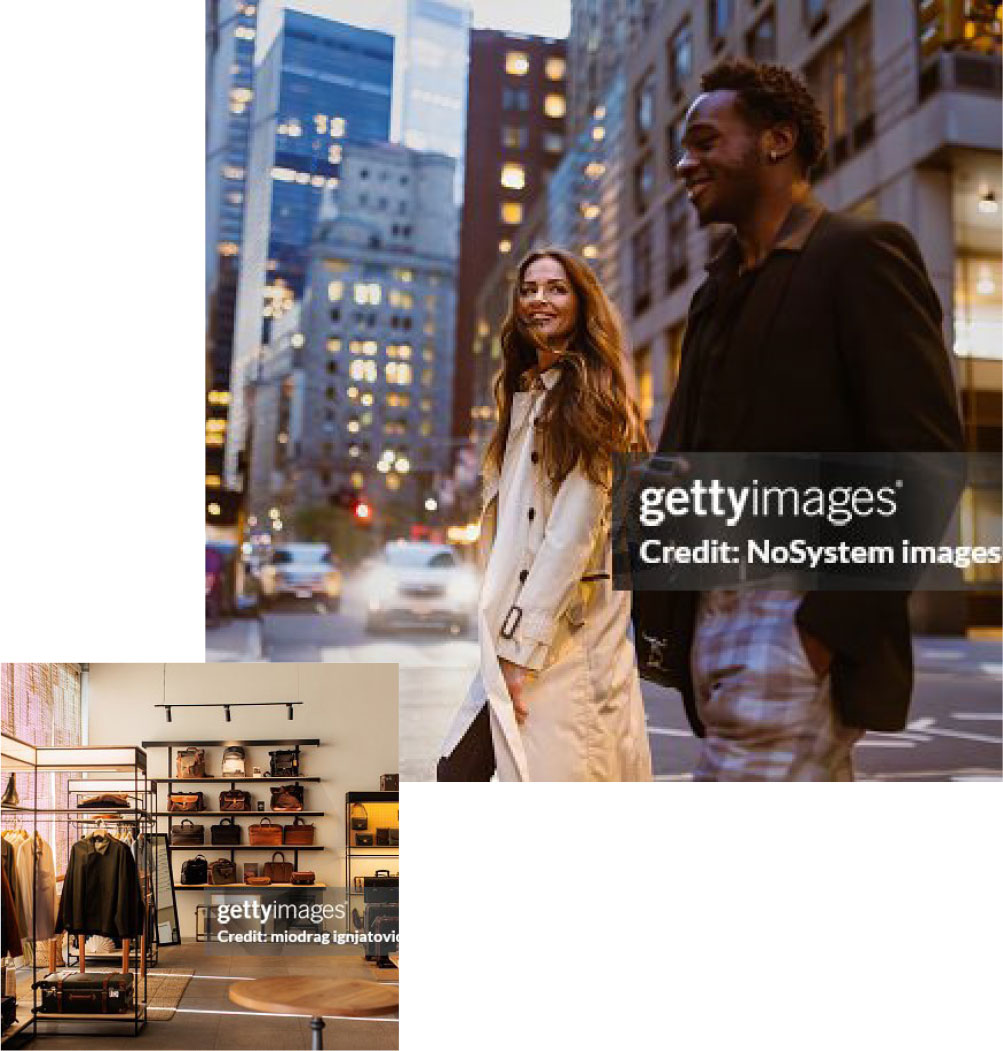
Resilience built on domestic wealth
Physical retail’s selective return
Luxury’s relationship with physical retail in the US is entering a new phase. After a period of extensive domestic expansion, brands are now recalibrating their approach – prioritising precision over proliferation.
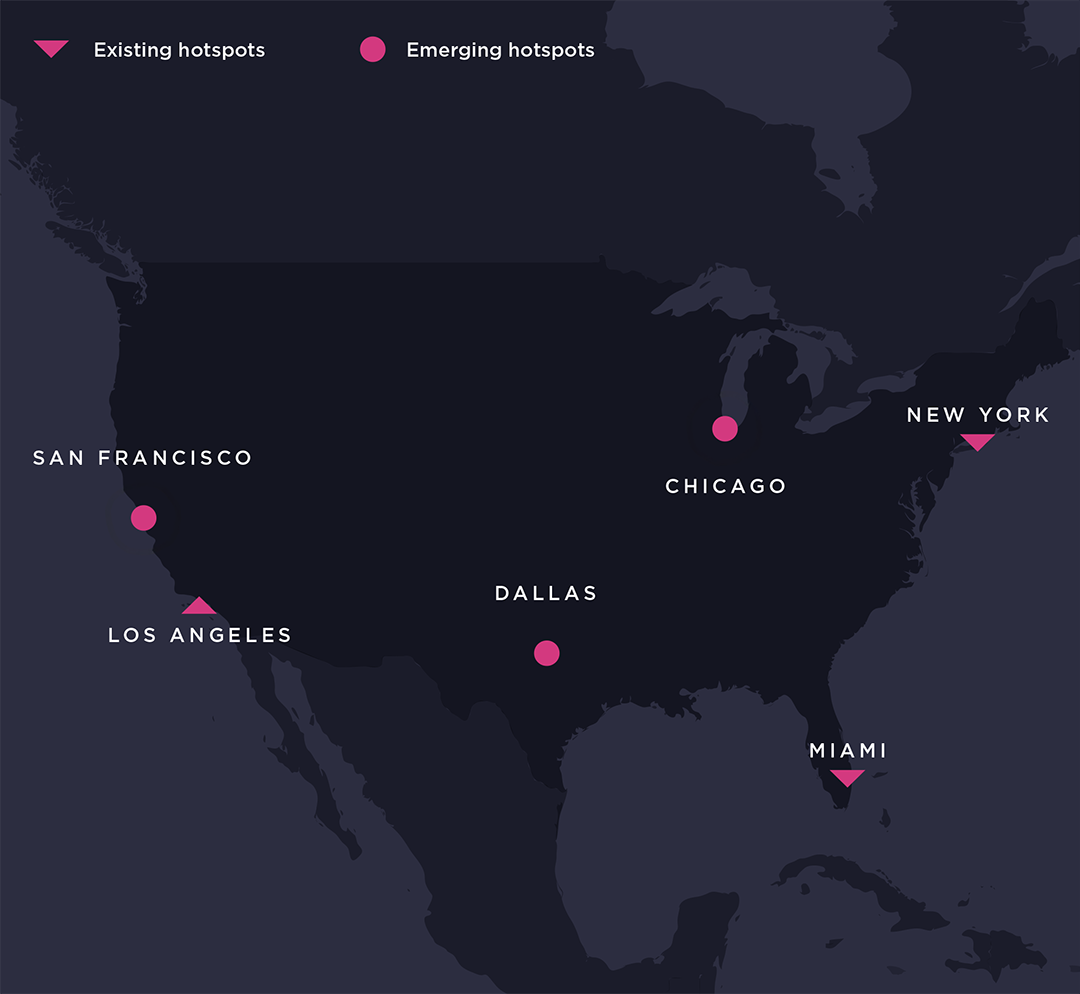
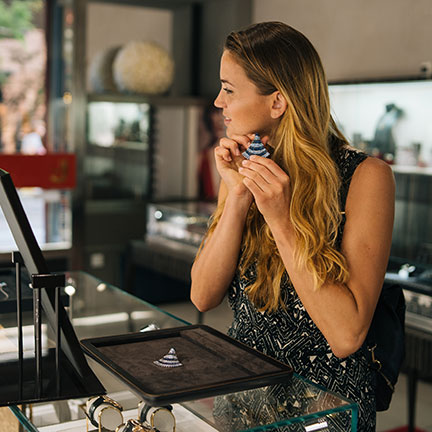
In 2025, the US once again led the world for luxury store openings, accounting for more than a quarter of all new launches globally. But the strategy has evolved. Rather than blanket growth, brands are refocusing on locations that combine affluence, tourism and long-term brand equity.
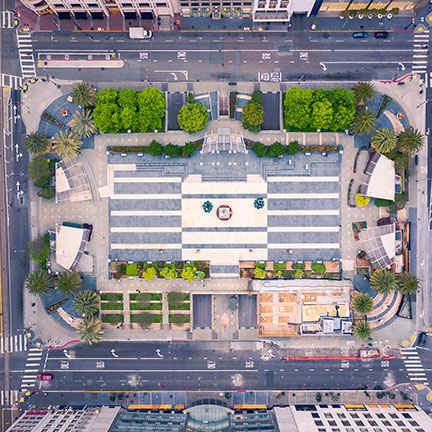
New York has reasserted its position at the top of the global luxury hierarchy, with store opening activity rising sharply as rents rebalance and availability improves. Miami continues to perform as a dual engine market, fuelled by international visitors and an expanding base of domestic wealth.
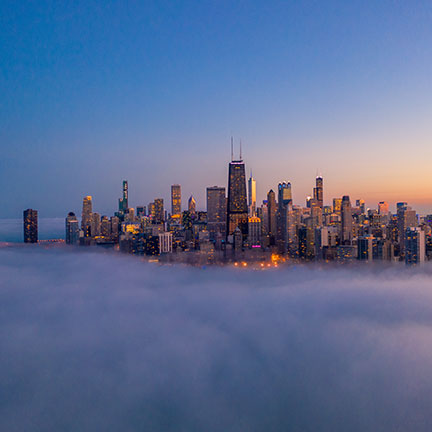
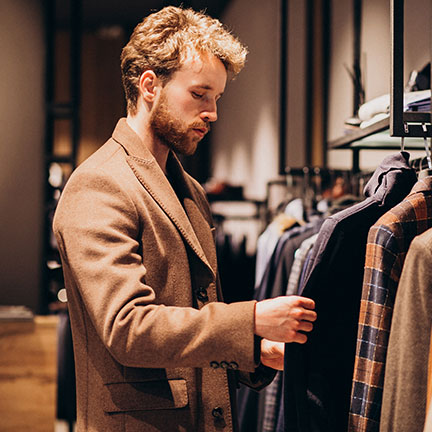
A generational shift reshaping the map
Looking ahead, one of the most significant forces influencing the US luxury landscape will be intergenerational wealth transfer.
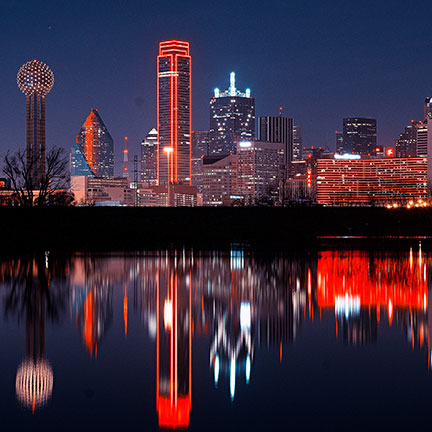
Cities with strong concentrations of Millennial and Gen Z affluence are set to benefit most. Markets such as Seattle and San Jose, underpinned by technology wealth and younger high-net-worth populations, are becoming increasingly relevant to long-term luxury strategies.
For landlords and brands alike, this raises important questions about how, where and when to invest – particularly as younger consumers place greater emphasis on experience, authenticity and locality.
The rise of the
resort market
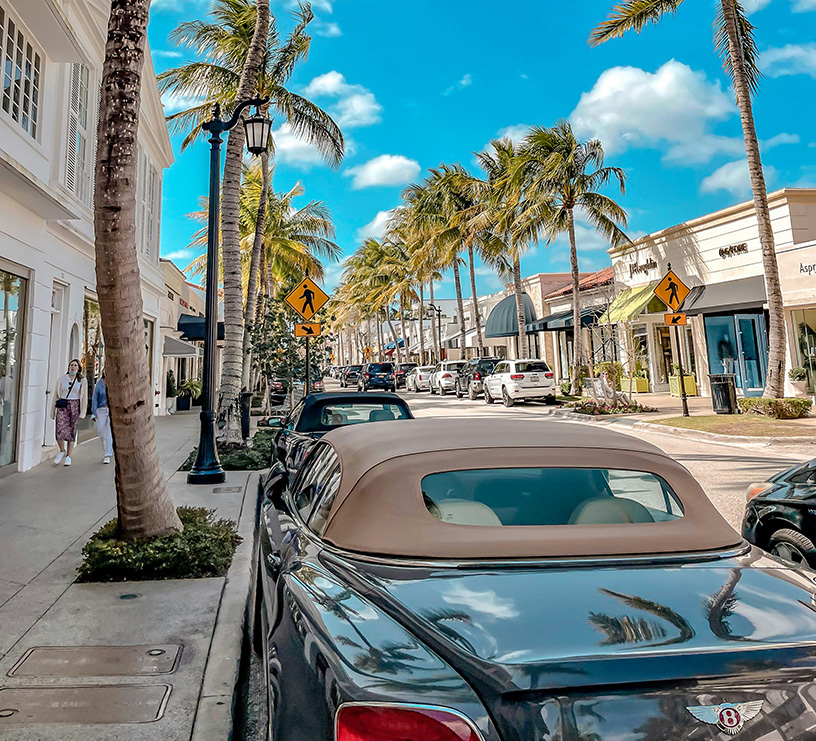
The expansion of luxury retail in the US is no longer confined to urban flagships. Resort markets are emerging as a critical growth frontier – not just for seasonal pop-ups, but for permanent, high quality space.
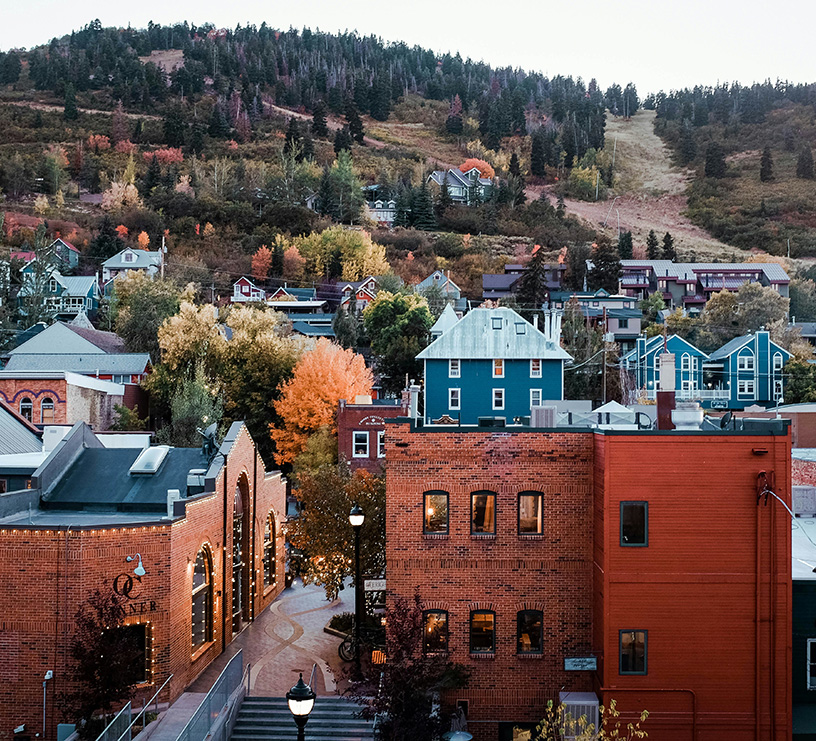
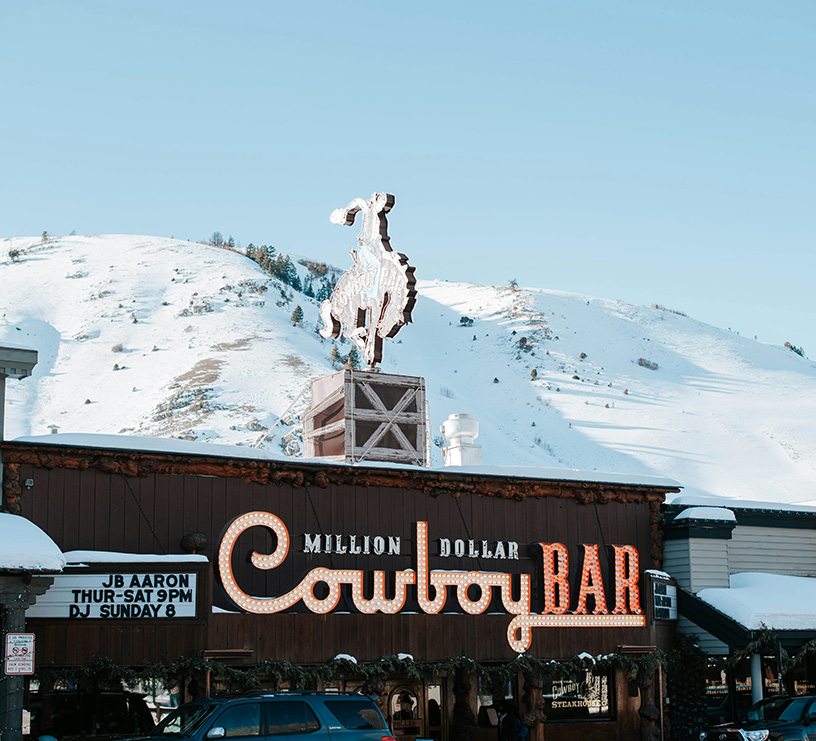
Beyond established names such as Palm Beach, Aspen and the Hamptons, momentum is building in new guard destinations including Park City, Montecito and Jackson Hole. Demand in these locations is strong, but supply is exceptionally tight. In many cases, the constraint is not consumer appetite but the availability – or creation – of suitable real estate.
For luxury brands, this shifts the challenge from finding a location to shaping one. And for landlords, it presents a rare opportunity to curate environments that blend retail, leisure and placemaking at the very highest end of the market.

+1 312 595 2930
This summer has seen brands take to resorts to create immersive, seasonal experience that connect with consumers in leisure mode. Discover the strategy that for many is more than just a summer fling.