Seoul in motion:
A DAY IN KOREA’S
RETAIL CAPITAL
Seoul in motion
KOREA’S RETAIL CAPITAL
Seoul in motion
KOREA’S RETAIL CAPITAL
Seoul in motion
KOREA’S RETAIL CAPITAL
Seoul in motion
KOREA’S RETAIL CAPITAL
Seoul in motion
KOREA’S RETAIL CAPITAL
From coffee in Seongsu to natural wine in Haebangchon, OPEN follows the neighbourhoods, brands and experiences shaping one of the world’s most influential consumer cities, guided by Hakeun “Josh” Kim, Retail at Savills Korea.
Coffee before commerce
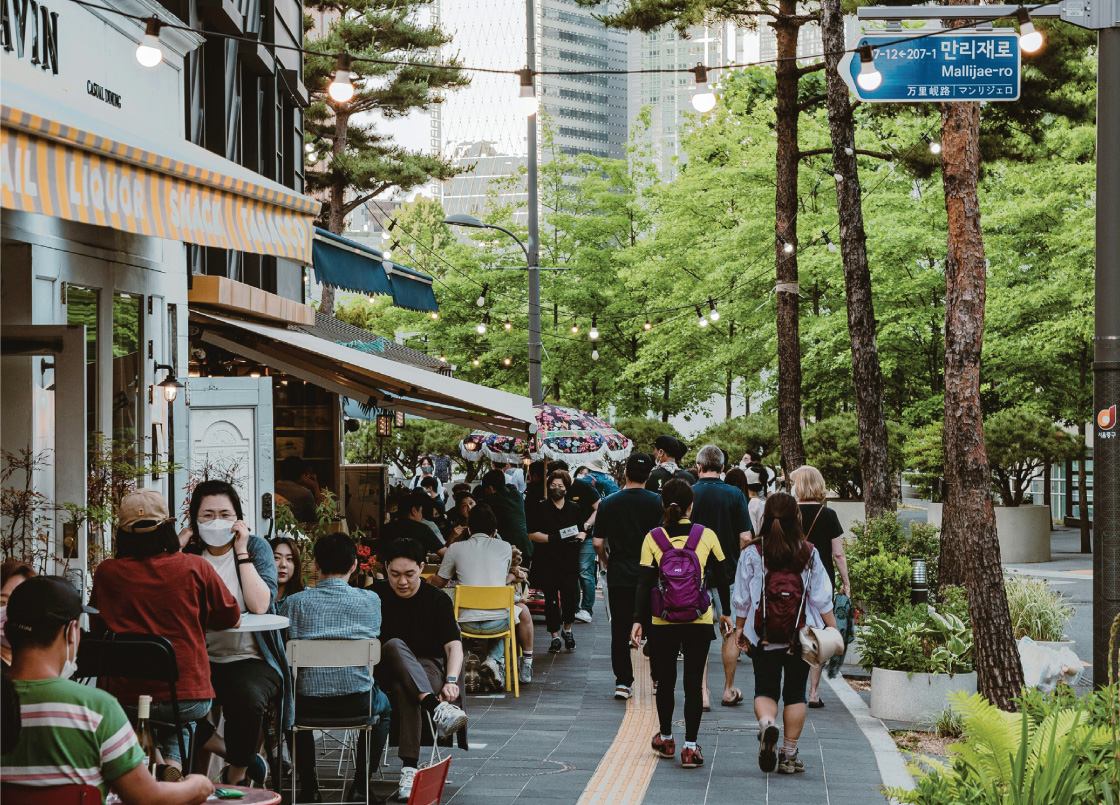
The day begins in Seongsu, the former industrial district often compared to Shoreditch or Brooklyn. Its red-brick factories, independent cafés, Korean fashion labels and constant flow of pop-ups have made it a centre of retail creativity.
Start with coffee and something sweet, then follow Yeonmujanggil through the narrow side streets. Keep the route loose: part of Seongsu’s appeal is never quite knowing what will appear next.
For Josh, that unpredictability reflects a wider consumer shift
Visitors arrive without a fixed agenda, moving from one concept to another. For retailers, the neighbourhood itself has become the draw.
Beauty, but make it entertainment
From coffee, wander towards Olive Young N Seongsu. This is not simply a larger version of a familiar high-street beauty store. Positioned as an innovation-led flagship, it brings together make-up, fragrance, menswear, K-pop, services and rotating activations.
The result feels closer to a beauty playground than a traditional shop. Products can be tested, trends discovered and new Korean labels encountered before they reach international shelves, showing how Seoul treats beauty, health and entertainment as connected categories.

Follow the queue
Continue through Seongsu and the chances are a queue will lead you towards the next stop. Seoul did not invent the pop-up, but Josh says the city has embedded temporary retail into everyday consumer culture.
Here, pop-ups are not simply smaller shops with shorter leases. They are launches, exhibitions, cafés, installations and social events combined. Brands use them to test ideas, introduce products, create content and build communities. Even the queue becomes part of the campaign, signalling urgency and discovery.
Activations today may not be there in weeks to come, but that’s the point – Seongsu’s advantage is its capacity to renew itself constantly.
Shop the new Seoul
Next, head into MUSINSA Store Seongsu@Daelim Warehouse. MUSINSA began online, but has become one of the most important routes into contemporary Korean fashion. Its Seongsu store brings together a rotating edit of domestic designers inside a former warehouse, moving visitors quickly from digital discovery to physical product.
For international shoppers, it is an efficient way to discover multiple labels under one roof and see which are gaining local traction. Foreign visitors accounted for more than 40% of its sales in 2024, according to MUSINSA – a figure that tells an important cross-border story: visitors are not simply photographing Seoul’s retail scene. They are buying into it.
Enter the mothership
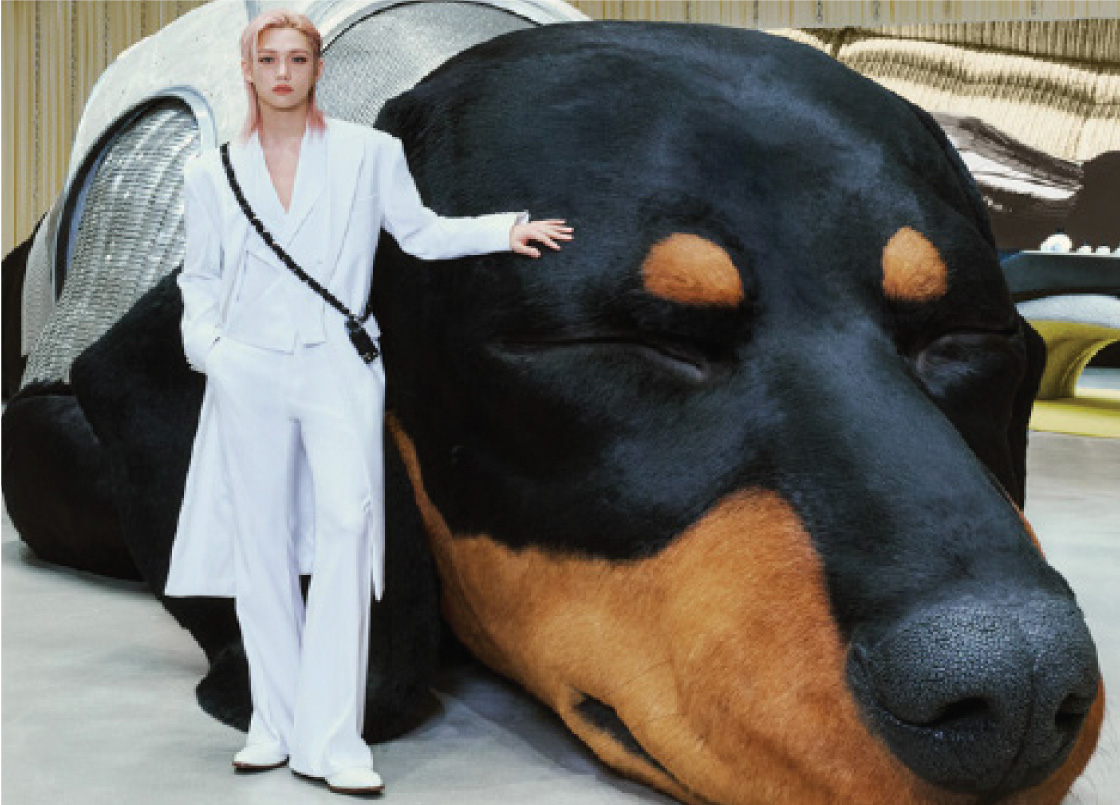
Save Seongsu’s largest stop for last. At HAUS NOWHERE SEOUL, the idea of a flagship is stretched almost beyond recognition.
The 14-storey destination at 433 Ttukseom-ro is the new home of IICOMBINED, the creative company behind Gentle Monster. Inside, eyewear sits alongside Tamburins fragrance, Nudake desserts, ATiiSSU headwear and Nuflaat tableware.
The detail matters less than the way the visit unfolds: sunglasses, fragrance, dessert and installations pull visitors through a complete brand world.
Old Seoul, new retail
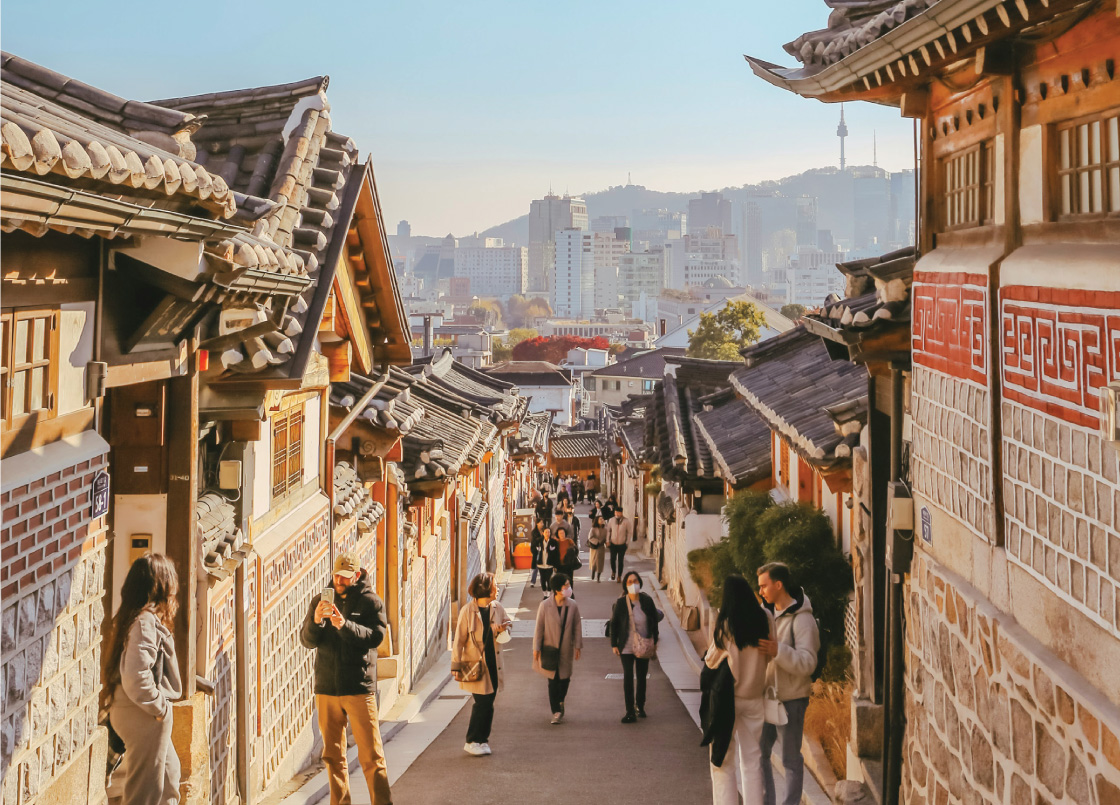
From Seongsu, take a taxi north across the river to Bukchon. Industrial warehouses give way to tiled roofs, sloping lanes and traditional hanok buildings – the setting for one of Josh’s favourite examples of localisation.
At Le Labo Bukchon, the global fragrance brand remains unmistakably itself, but the store is shaped around the hanok village rather than copied from another city.
Bukchon shows that local relevance does not require a brand to abandon its identity. It requires the confidence to let the location influence it.
Hannam hour
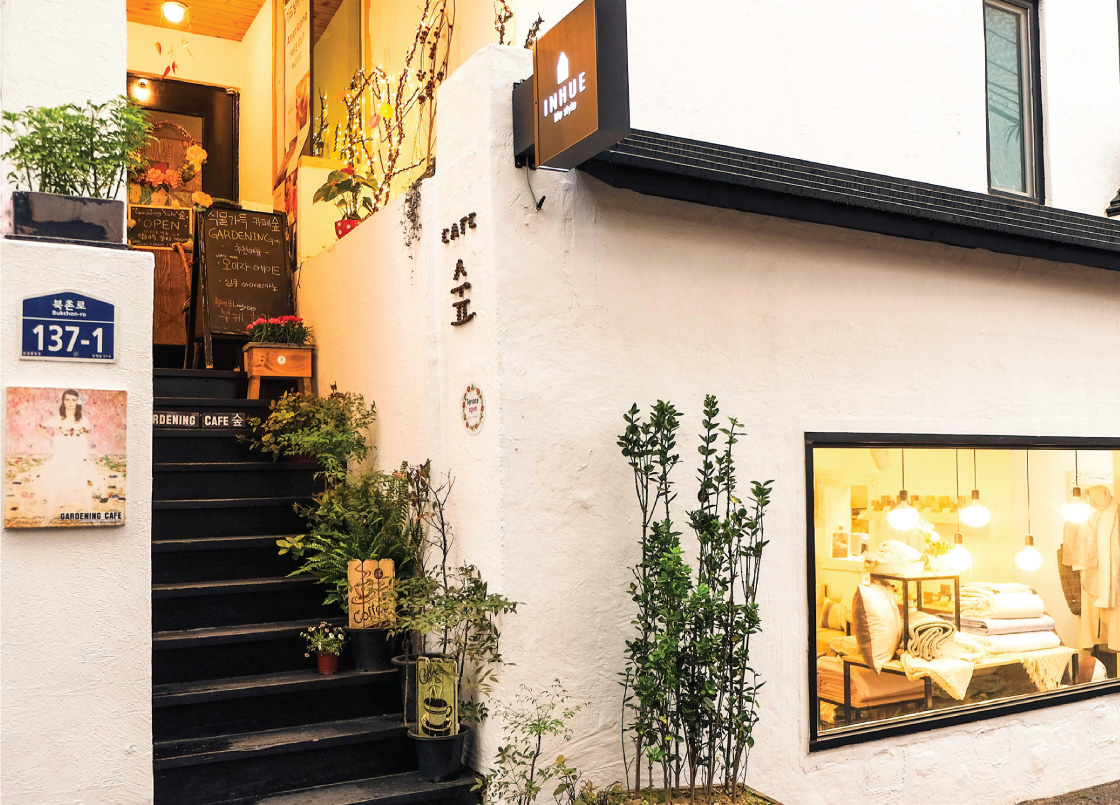
Cross back towards Hannam as afternoon softens. Where Seongsu feels raw, fast and experimental, Hannam is more polished: independent fashion, fragrance, international brands, galleries and restaurants woven through hilly residential streets.
Begin at NONFICTION Hannam, where fragrance and body care are presented as part of a wider, understated lifestyle, then continue towards SHOP AMOMENTO for restrained, design-led fashion.
The temptation is to treat each shop as a separate destination, but Hannam works best when you move between places: fragrance, fashion, coffee, art and perhaps another boutique you had not planned to visit. The original store may bring you to the area, but everything surrounding it extends the visit.
Follow the hill to Haebangchon
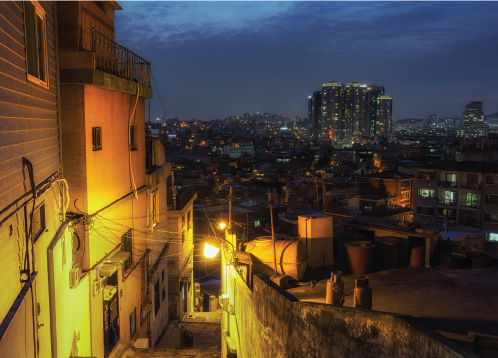
As evening arrives, travel towards Haebangchon, a hillside neighbourhood below Namsan known for independent restaurants, bars and creative businesses tucked into steep, winding streets. It feels more intimate than Seongsu and less polished than Hannam, which makes it a fitting final contrast.
By this point, the day has moved from major flagships to the smaller hospitality businesses where Seoul’s fashion, design and creative communities gather after hours. Finish at Wildduck Canteen for dinner and natural wine. Known for food, drink, events and collaborations, it operates as more than a conventional neighbourhood restaurant.
What Seoul gets right
The most surprising thing about Seoul is not any single shop or concept, but the speed at which the entire ecosystem moves. Brands can go from relatively unknown to internationally recognised within a few years; neighbourhoods can change significantly between visits; and consumers actively search for what is new, temporary and unexpected.
That makes Seoul increasingly important for international retailers, landlords and operators. Through Savills local team in Korea, and its wider Asia-Pacific and global network, street-level knowledge can be connected to a broader picture: how emerging brands travel, how districts build relevance and how concepts tested in Seoul may translate into London, Paris, New York and beyond.
The lesson is not to copy Seongsu’s warehouses, Bukchon’s hanoks or Hannam’s boutiques. It is to understand how successfully Seoul gives people a reason to keep moving, and to see what they discover along the way.
+82 10-8998-4887
Once a historic thoroughfare linking the Louvre and Opéra, Rue de Richelieu has quietly become one of Paris’ most compelling retail destinations. Savills Antoine Vandamme explores what’s driving its transformation and what this says about the future of flagship retail districts.